Why US Dropshipping Suppliers Beat Overseas in 2026 (Speed, Trust & Margins)

The dropshipping model has always promised low overhead and easy entry. But in 2026, the math behind supplier selection has shifted. For years, entrepreneurs defaulted to overseas suppliers chasing the lowest unit price. That reflex now creates more problems than it solves. Rising shipping costs, unpredictable delivery windows, and customer expectations for two‑day shipping have changed what "cost‑effective" actually means. US dropshipping suppliers deliver speed, reliability, and margins that overseas alternatives struggle to match. This post breaks down the real trade‑offs between top US vs overseas dropshipping suppliers, where each model works best, and how to build a sourcing strategy that protects both your profits and your reputation.
Who Are Overseas Dropshipping Suppliers?

Overseas dropshipping suppliers typically operate out of manufacturing hubs in China, India, and Southeast Asia. They offer massive product catalogs and low per‑unit costs. Platforms like AliExpress and Alibaba dominate this space, giving sellers access to millions of products across every imaginable category.
Most overseas suppliers function as intermediaries. They connect Western store owners to factories that produce goods in high volume. The arrangement works well when you need niche products or want to test new categories without committing to inventory. But the distance creates friction. Time zone differences delay communication. Shipping times stretch to two to four weeks. And quality control depends entirely on photos and reviews you did not verify yourself.
Why US Dropshipping Suppliers Are Gaining Ground in 2026?
The conversation around US vs overseas dropshipping has changed. What used to be a simple price comparison now includes factors like delivery speed, customer trust, and supply chain visibility. US suppliers are not just competing on price anymore—they are winning on total cost of acquisition.
Faster Delivery Beats Lower Prices
A $5 product that takes three weeks to arrive creates customer service issues. A $12 product that lands in three days builds loyalty. Buyers expect fast delivery. When a package arrives late, you absorb the refund or the negative review. US suppliers ship from domestic warehouses. Standard delivery runs two to five days. Express options drop to next‑day in many regions. That speed reduces your support workload and keeps payment processors happy.
Trust Signals Matter More Than Ever
Customers check shipping origins before they buy. If your product ships from Shenzhen, they know what to expect. They factor that wait into their purchase decision—or they click away. US suppliers give you a trust advantage. You can show domestic shipping on your product pages, add estimated delivery dates, and use language that signals reliability. In a market where chargebacks and disputes hurt store performance, that trust translates directly into higher conversion rates.
Hidden Costs Erase the Price Gap
The unit price from an overseas supplier always looks lower. But the real cost includes shipping, tariffs, and the operational overhead of managing long supply chains. A $2 product might cost $7 after shipping and customs fees. Add in the time you spend tracking shipments, answering “where is my order” emails, and replacing lost packages. Suddenly the US supplier with a $9 landed cost looks like the smarter financial choice.
US vs Overseas Dropshipping Suppliers for Different Industries
Not every industry benefits equally from domestic sourcing. The right choice depends on your product category, order volume, and customer expectations. Here is how the US vs overseas dropshipping suppliers comparison plays out across three key industries.
Electronics and Gadgets
Electronics require precision, compatibility, and sometimes regulatory compliance. Overseas suppliers often list products with vague specifications and generic photos. You might receive inventory that does not match the listing or fails within weeks. US suppliers in this space focus on branded or tested products. They carry certifications, offer warranties, and provide documentation you can share with customers. For electronics, the reliability of US based manufacturers abroad is not a realistic workaround—you either source from a trusted US importer with quality controls or you accept the returns risk of overseas sourcing.
Fashion and Apparel
Fashion dropshipping lives and dies on fit, fabric, and returns. Overseas suppliers list generic sizing charts. Customers receive items that do not match the photos, and you handle the return logistics. US suppliers in fashion focus on print‑on‑demand or curated catalogs with consistent sizing. They handle returns locally, which lowers your costs. If you sell trend‑driven items, overseas suppliers still offer variety you cannot find domestically. But for basics, essentials, or branded apparel, domestic and international sourcing comparisons usually favor US partners.
Home Goods and Furniture
Home goods involve size, weight, and shipping complexity. A lamp from an overseas supplier might arrive broken after six weeks. The cost to replace it eats your margin. US suppliers pack and ship from regional warehouses. Breakage rates drop. Delivery times stay predictable. For furniture or oversized items, shipping costs from overseas make the model nearly impossible to scale. Overseas suppliers and American ones diverge sharply here—the domestic option preserves your margins through lower shipping damage and faster replacements.
5 Best US Dropshipping Suppliers in 2026
Despite the advantages of global sourcing, US suppliers still serve a purpose. They offer product depth, niche items, and sometimes exclusive manufacturing that you cannot find domestically. Here are five established US dropshipping suppliers worth considering.
1. Spocket
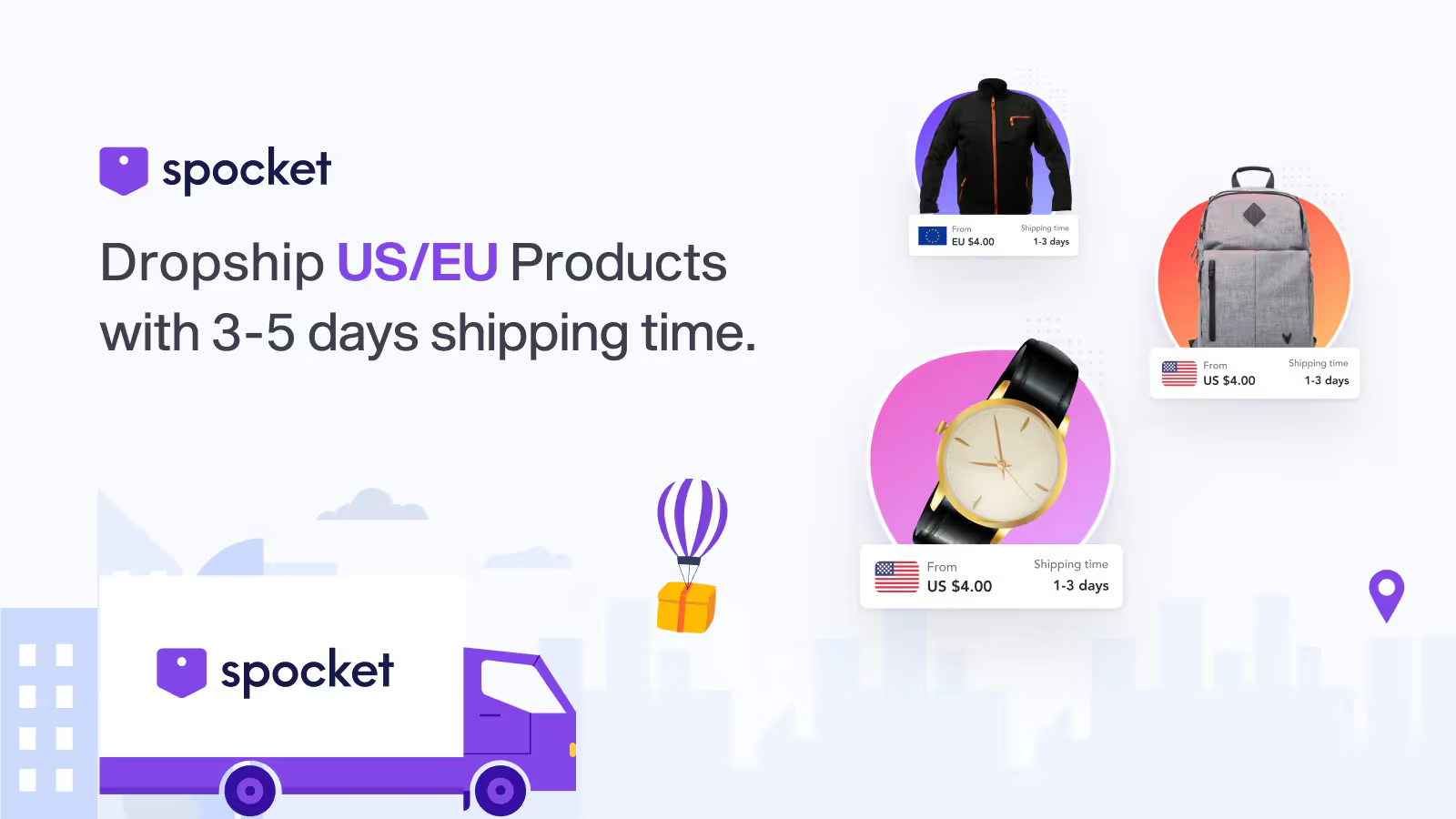
Spocket focuses on US and EU suppliers, but it also includes overseas options in its dropshipping directory. Spocket offers fast shipping times by connecting you to suppliers with local warehouses. You can filter specifically for US suppliers, which makes Spocket a hybrid option rather than a pure overseas player. For sellers who want the variety of global sourcing with the delivery speeds of domestic fulfillment, Spocket bridges the gap. Spocket is a great choice because it offers 24/7 VIP chat support, trending dropshipping products, branded invoicing, custom packaging, Print-on-demand services, private and white labeling, and so much more.
2. DSers
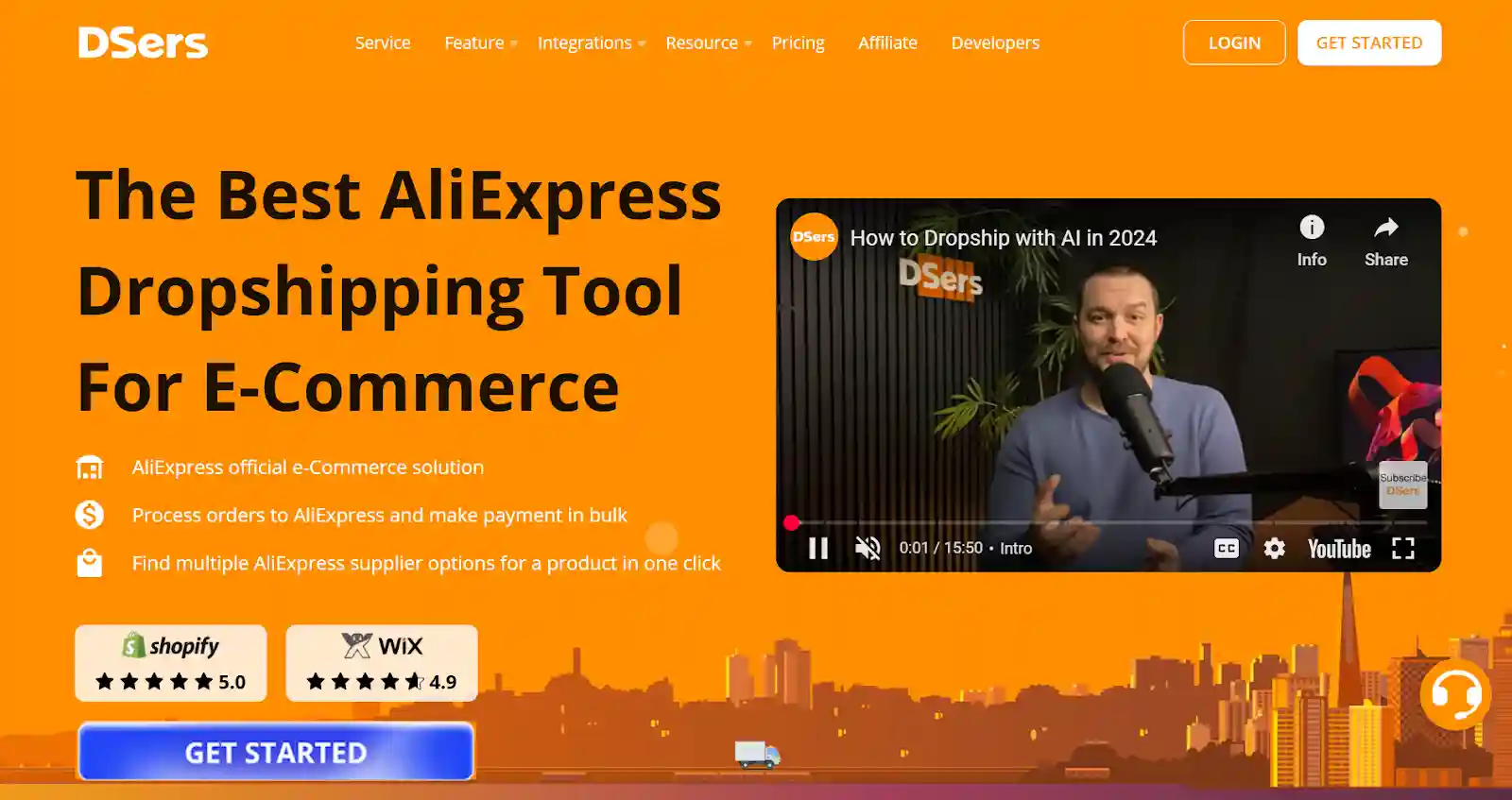
DSers operates as the official AliExpress dropshipping solution. It connects directly to AliExpress and lets you process bulk orders with one click. You can find multiple supplier options for the same product, compare pricing, and automate fulfillment. DSers works best when you already use AliExpress and need a tool to manage volume. The AliExpress integration means you still deal with long shipping times, but you gain some efficiency in order processing. If your strategy combines US vs overseas dropshipping suppliers, DSers gives you access to the overseas side of that equation.
3. Worldwide Brands
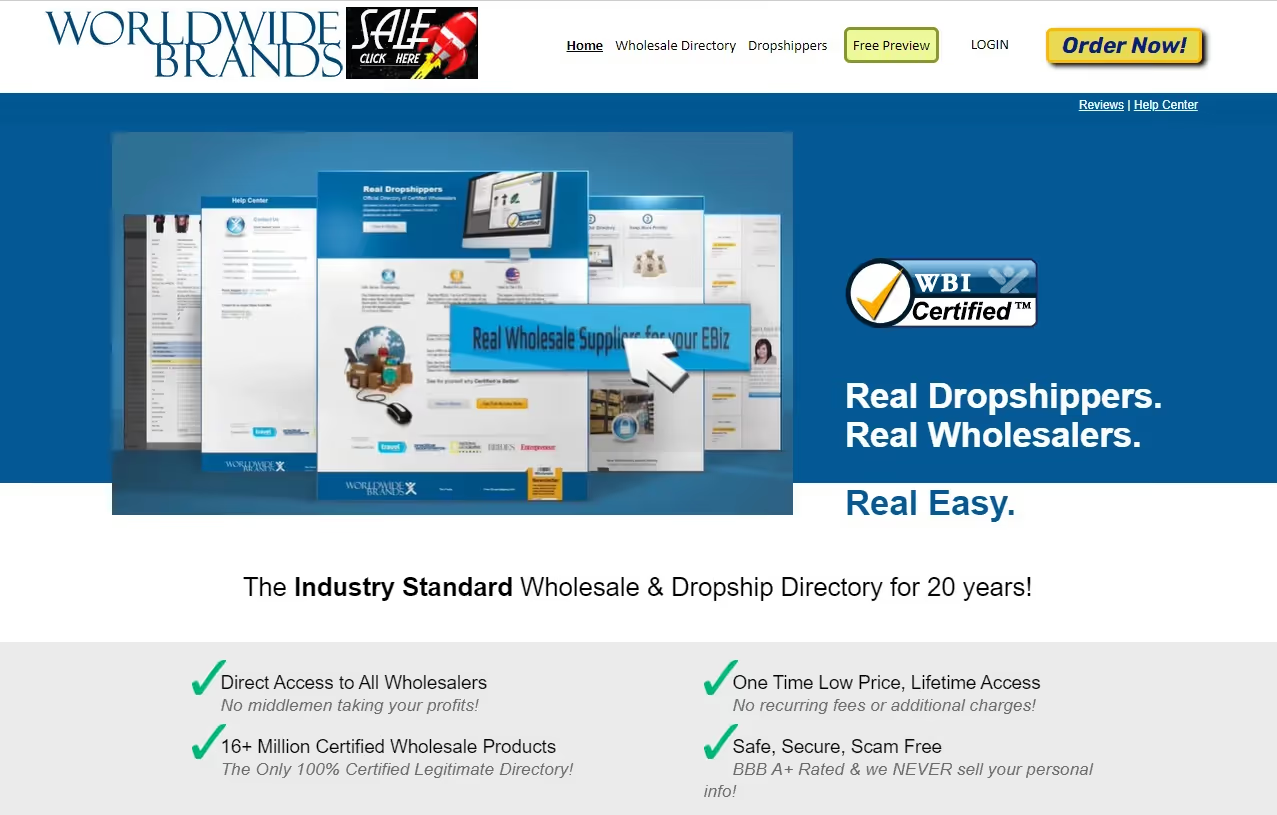
Worldwide Brands has operated for over twenty years as a wholesale and dropship directory. It focuses on certified suppliers and claims no middlemen. The directory includes both US and overseas suppliers, all vetted to reduce fraud risk. The one‑time payment model appeals to sellers who want lifetime access without recurring fees. Worldwide Brands works well if you want to diversify domestic vs international manufacturing sources under one membership.
4. Alidrop
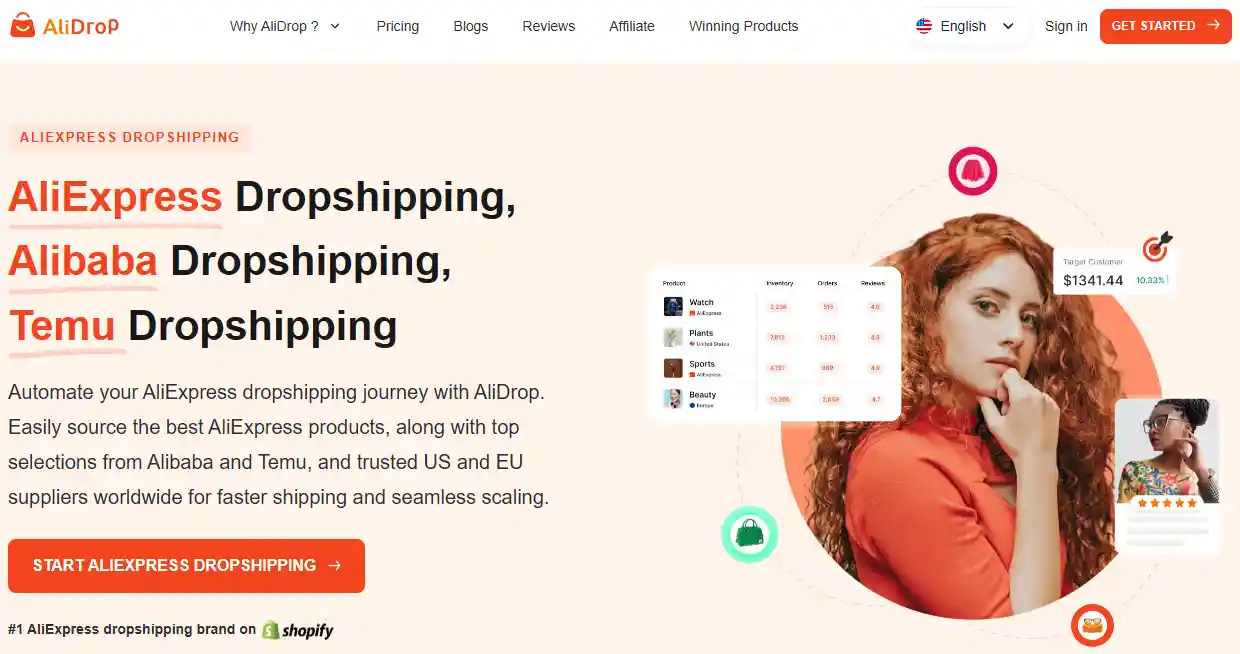
Alidrop is also great for dropshipping in the USA. You can connect with the best EU and US dropshipping suppliers. It offers custom branding options, 24/7 VIP chat support, one-click product imports and so much more. Alidrop supports AliExpress, Alibaba, and Temu dropshipping. Its live data is updated daily, so you get the best info on the latest trends, products, and dropshipping research. Try out its 7-day free trial and see where it goes from there.
5. AliExpress
AliExpress remains the largest Chinese and international dropshipping marketplace. Millions of products, direct factory access, and a familiar interface make it the default for US dropshippers. The trade‑off is consistent: low prices, long shipping, and variable quality. AliExpress works best for testing product ideas before you scale. Once you validate demand, you can search for US suppliers or negotiate better terms with overseas factories directly.
6. CJDropshipping
CJDropshipping offers warehousing, packaging, and fulfillment from multiple countries, including the US. It operates as a sourcing agent that finds products and handles logistics. You can request custom packaging, branded inserts, and faster shipping options. CJ works well when you want the low costs of overseas manufacturing but need more control over branding and delivery than AliExpress provides.
Cost of Domestic vs Overseas Manufacturing
The cost comparison between domestic and overseas manufacturing goes beyond the unit price. You have to look at the full cost of getting products to your customers and managing what happens after they buy.
- Shipping and logistics: Overseas suppliers typically charge $3 to $8 for shipping per item, with delivery taking 15 to 30 days. US suppliers charge $4 to $10, with delivery in 2 to 7 days. The difference in shipping cost narrows when you factor in the customer service time spent on delayed orders.
- Tariffs and customs: Products imported from China face tariffs that vary by category. You pay these costs at the border, and they add 10 to 25 percent to your landed cost. US suppliers have already paid these tariffs or source from countries with favorable trade agreements. You do not see the tariff line item, but it is built into your costs either way.
- Returns and refunds: Overseas returns require shipping items back to warehouses across the ocean. Most sellers simply refund customers and abandon the inventory. That cost runs 5 to 15 percent of revenue for typical dropshipping stores. US suppliers handle returns locally. You can offer exchanges, restocking, and actual return processing without eating the full product cost.
- Operational overhead: Managing overseas suppliers means checking tracking numbers, monitoring shipping delays, and updating customers on delays. Those hours add up. You could spend that time on marketing, store optimization, or product research. When you calculate your effective hourly rate, the time saved by using US suppliers often outweighs the per‑unit price difference.
Common Compliance Issues and Addressing Them
Compliance matters more in 2026 than it did five years ago. Marketplaces like Amazon, TikTok Shop, and Shopify Payments enforce stricter rules on product safety, intellectual property, and shipping performance. Sourcing from overseas suppliers creates compliance risks that US suppliers help you avoid.
Product Safety Standards
Overseas suppliers often ignore or misrepresent safety certifications. A product labeled “CE certified” may not meet actual safety requirements. If a customer reports a safety issue, the marketplace holds you responsible. US suppliers must meet Consumer Product Safety Commission standards. They carry proper documentation and respond to compliance inquiries.
Addressing this issue starts with verification. Ask every supplier for safety certifications. For overseas suppliers, use third‑party inspection services to test samples. For US suppliers, request compliance documentation before you list products. The extra step protects you from marketplace suspensions and liability claims.
Intellectual Property Violations
Copyright and trademark violations happen frequently with overseas suppliers. They list products using brand names or designs they have no right to sell. You list those products, and the brand owner files a takedown notice. Multiple violations can get your store closed permanently.
US suppliers operate under domestic intellectual property laws. They carry distribution rights or manufacture original products. Verify IP claims by asking for distribution agreements or manufacturer documentation. If an overseas supplier offers “designer inspired” items, assume it is a violation and avoid the product entirely.
Shipping and Delivery Standards
Marketplaces track your shipping performance. Late shipments, failed deliveries, and high refund rates lower your seller rating. Overseas suppliers make it hard to maintain good metrics because delivery windows vary and tracking updates are unreliable.
US suppliers provide consistent tracking, predictable transit times, and professional packaging. Your shipping metrics improve, which leads to better placement in marketplace search results and lower fees. If you need to use overseas vs US manufacturing for certain products, run those products through a separate store or account so fulfillment metrics do not affect your core business.
Tax and Customs Documentation
Overseas shipments require customs documentation. If the supplier classifies products incorrectly, you or your customer may face unexpected duties. Some overseas suppliers under‑declare value to reduce customs costs, which creates legal exposure for you.
US suppliers ship domestically. No customs forms, no duties, no classification errors. You pay sales tax based on your customer’s location, but that is easier to manage than navigating international customs regulations.
How to Choose Between US and Overseas Suppliers
The decision between US and overseas suppliers comes down to your business goals, product type, and customer expectations. Use these questions to guide your choice.
What is your target delivery time? If you promise two‑day shipping or compete with Amazon, you need US suppliers. If you sell unique products with lower urgency, overseas suppliers may work.
What is your tolerance for returns? High‑return categories like apparel and electronics favor US suppliers. Low‑return categories like decor or tools can manage overseas sourcing.
What is your order volume? Low volume fits both models. High volume creates leverage for negotiating better rates with US suppliers or direct factory relationships overseas.
What marketplaces do you use? TikTok Shop, Walmart Marketplace, and Amazon FBA require fast shipping and reliable tracking. US suppliers perform better here. Independent Shopify stores offer more flexibility to use overseas suppliers with clear delivery disclosures.
What are your growth plans? If you plan to scale, build relationships with US suppliers early. They offer better communication, faster turnaround for new products, and partnership models that support growth. Overseas suppliers work for testing, but scaling with them introduces more variables.
DropshipTool: Find and Vet USA Dropshipping Suppliers
Finding the right supplier requires research. Dropshiptool provides a suite of features to help you identify winning products and track competitor suppliers. The Product Database lets you search millions of dropshipping products with filters for supplier location, shipping times, and sales data. You can spot US suppliers that are already fulfilling high‑volume orders for successful stores.
The Competitor Research tool shows you which suppliers your competitors use. You can see whether they rely on overseas suppliers or have transitioned to domestic fulfillment. That data helps you benchmark your sourcing strategy against stores that are winning in your niche.
The Ad Spy Tool reveals which products are generating engagement and where those products ship from. You can identify opportunities where competitors are leaving money on the table by using slow overseas suppliers—and capture that market by offering faster delivery from a US source.
For guidance on which product categories work best with each supplier model, the best dropshipping business ideas post covers niche selection with sourcing considerations built in.
Conclusion
The choice between US and overseas dropshipping suppliers is no longer just about price. It is about speed, trust, and the total cost of getting products to customers. US suppliers give you faster delivery, stronger compliance protection, and lower operational overhead. Overseas suppliers offer product variety and lower unit costs but introduce longer wait times and higher returns risk.
The winning strategy in 2026 combines both models deliberately. Use US suppliers for your core products where speed and reliability matter. Use overseas suppliers to test new categories or source unique items that are not available domestically. Your customers will notice the difference in delivery times, and your bottom line will reflect the reduction in returns and refunds.