Top Dropshipping Product Research Tools in 2026

Are you stuck with doomscrolling product ideas? Guessing trends is burning your time and ad budget. You need products backed by real numbers, not vibes from a random TikTok feed. When you dial in the top dropshipping product research tools, you stop gambling on “cool” products and start shortlisting items that already show demand, margin, and staying power. In 2026, shoppers move fast, but you can move smarter. By the end of this guide, you will know exactly which tools belong in your stack, how they fit together, and how to turn raw data into testable product ideas.
What Is Dropshipping Product Research?
Dropshipping product research is the process of finding products that are already selling, have room for profit after costs, and are not buried in copycat offers. Instead of waking up and picking items by intuition, you look at sales data, search trends, ad spend, and competitor stores to decide what goes into your catalog. You could call it the difference between “I hope this works” and “numbers say this is worth testing.”
How Dropshipping Product Research Works
If you notice, the best stores rarely rely on one surface. They combine marketplace data (Amazon Best Sellers, Etsy reports), social ad intelligence (TikTok Creative Center, Facebook Ads Library), and external tools to cross-check if interest translates into real orders. That mix tells you three things: how many people are searching, how many are buying, and what other sellers are doing about it.
You should also treat dropshipping product research as an ongoing habit, not a single weekend sprint. Winning products fatigue, ad creatives burn out, and new categories open up as seasons shift. If you need fresh ideas, pieces like this guide on identifying untapped dropshipping niches through competitor tracking tools show how much opportunity hides in store data once you read it correctly. Combine that mindset with the top dropshipping product research tools below and you will build a pipeline, not a one-off list.
How to Choose the Best Dropshipping Product Research Tools?
You do not need every tool under the sun. You just need a balanced mix that covers data, trends, ads, and competitors without overlapping too much. Before you pay for anything, look at your budget, sales channels, and the depth of analysis you actually plan to use weekly. Then match that to what each platform does best instead of chasing long feature pages.
You can start simple: one store-focused tool, one ads spy tool, and a handful of free data sources from Google, TikTok, Amazon, and Etsy. As your orders grow, you will feel when it is time to add paid tools that save hours or unlock insights you cannot get elsewhere.
Data Quality and Source Coverage
Your decisions are only as good as the data feeding them. If a platform refreshes product or traffic data once in a while, you might chase trends that peaked weeks ago. Tools that tap into live store performance, ad libraries, and search behavior will give you fresher signals on what is actually selling right now.
You can look for tools that combine multiple data sources instead of relying on a single marketplace. A product that shows up in TikTok ads, ranks on Amazon Best Sellers, and appears inside a store-tracking tool is much stronger than something you saw in one screenshot. When you pair that with resources explaining why data is so powerful in online retail, the message is clear: you are trading guesses for evidence.
The other side of data quality is transparency. Good tools explain where numbers come from, how often they refresh, and what each metric actually means. If a tool only throws scores at you with no context, you will struggle to understand whether a product has real demand or just looks exciting in a dashboard.
Ease of Use and Daily Workflow
You could sign up for the most advanced stack on paper, but if the dashboards feel like a cockpit, you will avoid logging in. The best mix of top dropshipping product research tools feels light enough to use during short daily sessions, while still giving you deep filters when you want them.
You will know a tool fits your routine when you can run a simple check in a few clicks: search a niche, filter for orders and margin range, save promising items into a shortlist, then track them over the week. If you notice you are spending more time figuring out menus than picking products, that platform is slowing you down instead of speeding you up.
You can also think about how each tool connects to your store. Some tools offer one‑click import into Shopify or other platforms, while others stay in the research layer. Neither is wrong, but if you prefer simple flows from idea to listing, integrations and extensions will matter more than a long list of rarely-used options.
Pricing, Trials, and Return on Spend
You will see everything from lifetime free tools to enterprise subscriptions that cost more than a starter ad budget. Your job is not to pick whatever looks most impressive, but to ask a blunt question: “Does this tool either save me time or help me pick better products than I would without it?”
Many top dropshipping product research tools come with free tiers or trials, especially on the analytics side. Others, like Amazon‑focused software, rely on short money‑back windows instead of classic trials, which still let you test them under real conditions. Before you commit, read through pricing pages and reviews to see which tools stay within a sensible monthly budget for where your store is today.
You could also bookmark resources like this breakdown of key dropshipping product KPIs to track so you know what “return” looks like for each tool you add. Track how many test products become winners while using a new platform versus before, and keep what clearly pays its own way.
Benefits of Using Top Dropshipping Product Research Tools
If you rely on memory and vibes, every product feels like a bet. With the top dropshipping product research tools, each product becomes a measured test with real backing. You reduce nasty surprises and spend more time scaling what already proves itself in the numbers.
Here is what that looks like in practice.
- Spot proven demand instead of guessing. Product databases, marketplace lists, and ads libraries show you what is already moving units, not just what looks interesting on social feeds. You can filter by orders, reviews, and sales signals to find products that pay their way instead of hoping a random gadget suddenly takes off.
- Cut research time from hours to minutes. Instead of opening ten tabs for every product idea, a focused stack gives you store sales, ad creatives, and search interest in a few screens. You will know quickly whether to keep digging or drop a product and move on.
- Find cleaner niches and angles. Tools that track stores and ads highlight where there is demand but fewer aggressive offers yet. You can combine that with guides on identifying untapped dropshipping niches to enter markets earlier and with a clearer angle.
- Turn ads into a product radar. Ad spy platforms and TikTok Creative Center show exactly which products brands are spending real money to promote right now. You see offers, hooks, and creatives tied to products, which gives you stronger signals than simple search volume charts.
- Base decisions on real store data. Store‑tracking tools let you watch what successful sellers keep in stock, how often they sell, and what they drop. When you match that to your own KPIs, you stop copying random product lists and start modeling what actually works.
- Reduce wasted ad spend and bad tests. If a product fails basic checks across multiple tools—weak demand, thin margins, poor reviews—you skip it before burning money on traffic. Over time, that discipline compounds into a catalog with more consistent winners.
- Stay grounded in data as markets shift. When trends swing or ad costs spike, your tools give you early warnings through falling search interest, slowing sales, or stale creatives. That means you pull budget from fading products quicker and find replacements while others are still reacting.
13 Best Dropshipping Product Research Tools in 2026 [Free and Paid]
Below are thirteen of the top dropshipping product research tools to build your stack. Some are all‑in‑one suites, others are free data sources you should treat like daily check‑ins.
1. Dropshiptool
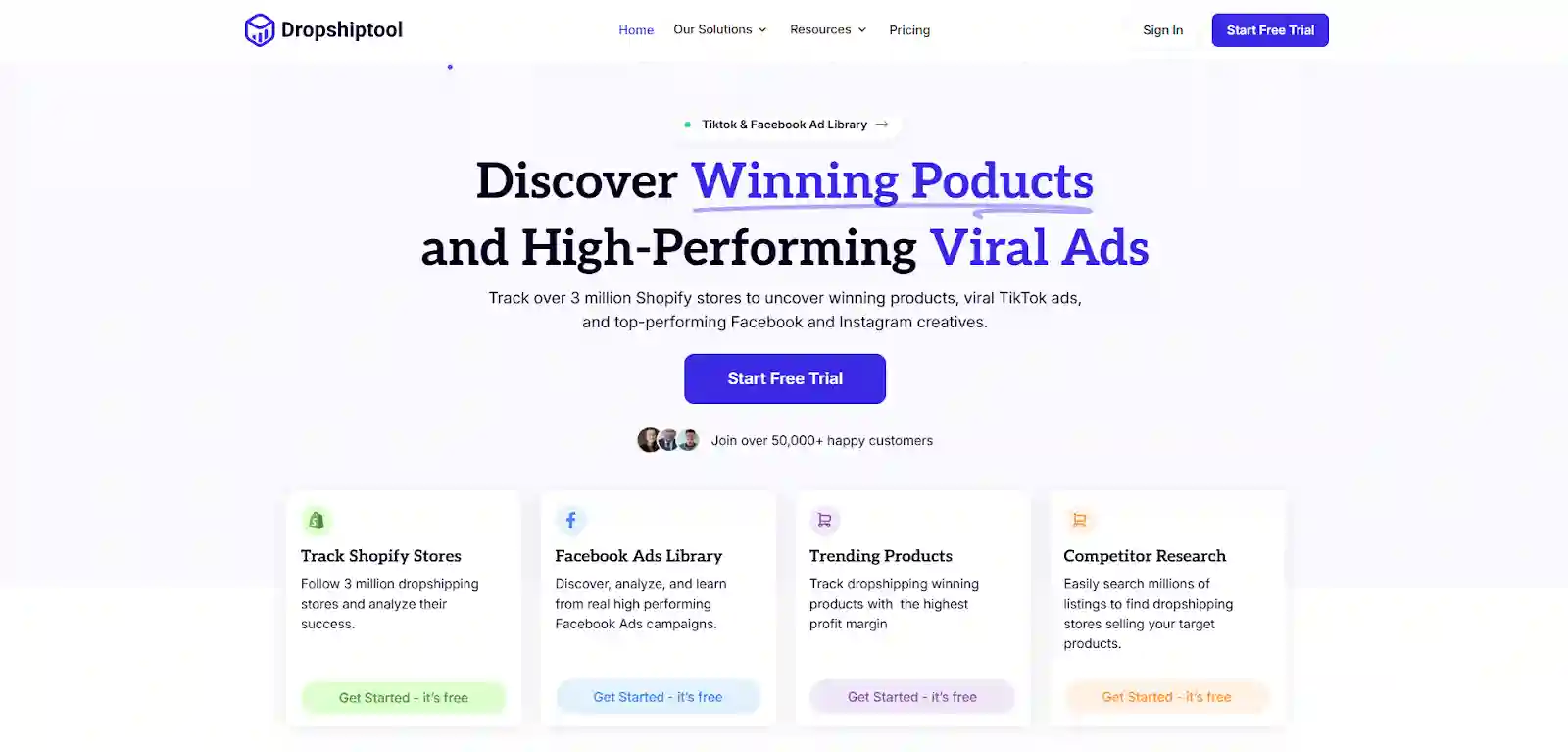
Dropshiptool tracks millions of Shopify stores and surfaces products, ads, and store metrics in one place, which makes it a strong hub for your daily research ritual. You can follow up to three million stores, dig into product revenue estimates, and watch how winning offers evolve over time. The platform offers a seven‑day free trial, then paid plans on Shopify from around 59 USD per month, billed in USD, with yearly discounts. For sellers who like working from real store numbers, this feels more like a control panel than a basic idea list.
Key features of Dropshiptool
- Store‑level sales tracking. The Sales Tracker lets you monitor estimated revenue, popular products, and trends across Shopify stores, so you see what real buyers are paying for instead of relying on social hype alone.
- Deep product database with smart filters. The dedicated Product Database uses filters for price, reviews, supplier location, and sales signals, so you can narrow down promising products in minutes instead of scrolling marketplaces all night.
- Curated Product Portfolio each week. Through the Product Portfolio, you receive dozens of AI‑flagged and expert‑checked products every Monday, which is perfect if you want fresh test ideas without starting from a blank page.
- Ad Spy Tool for creative and product ideas. The built‑in Ad Spy Tool lets you search millions of Facebook, Instagram, and TikTok ads by keyword, niche, country, and more, tying ads back to products and stores.
- Competitor research on autopilot. The Competitor Research tool helps you find stores in your niche, track what they sell, and monitor pricing and product changes so you are not blind to your direct rivals.
- AI‑driven sales insights. An AI‑powered sales tracker, described in Dropshiptool’s own content, helps you track live store activity and teasingly shows why data is described as the new “gold” of online retail.
- Tight connection to educational content. Their blog covers topics like key dropshipping KPIs every seller must track and why data matters in online retail, which pairs nicely with the data you see inside the tool itself.
2. Minea
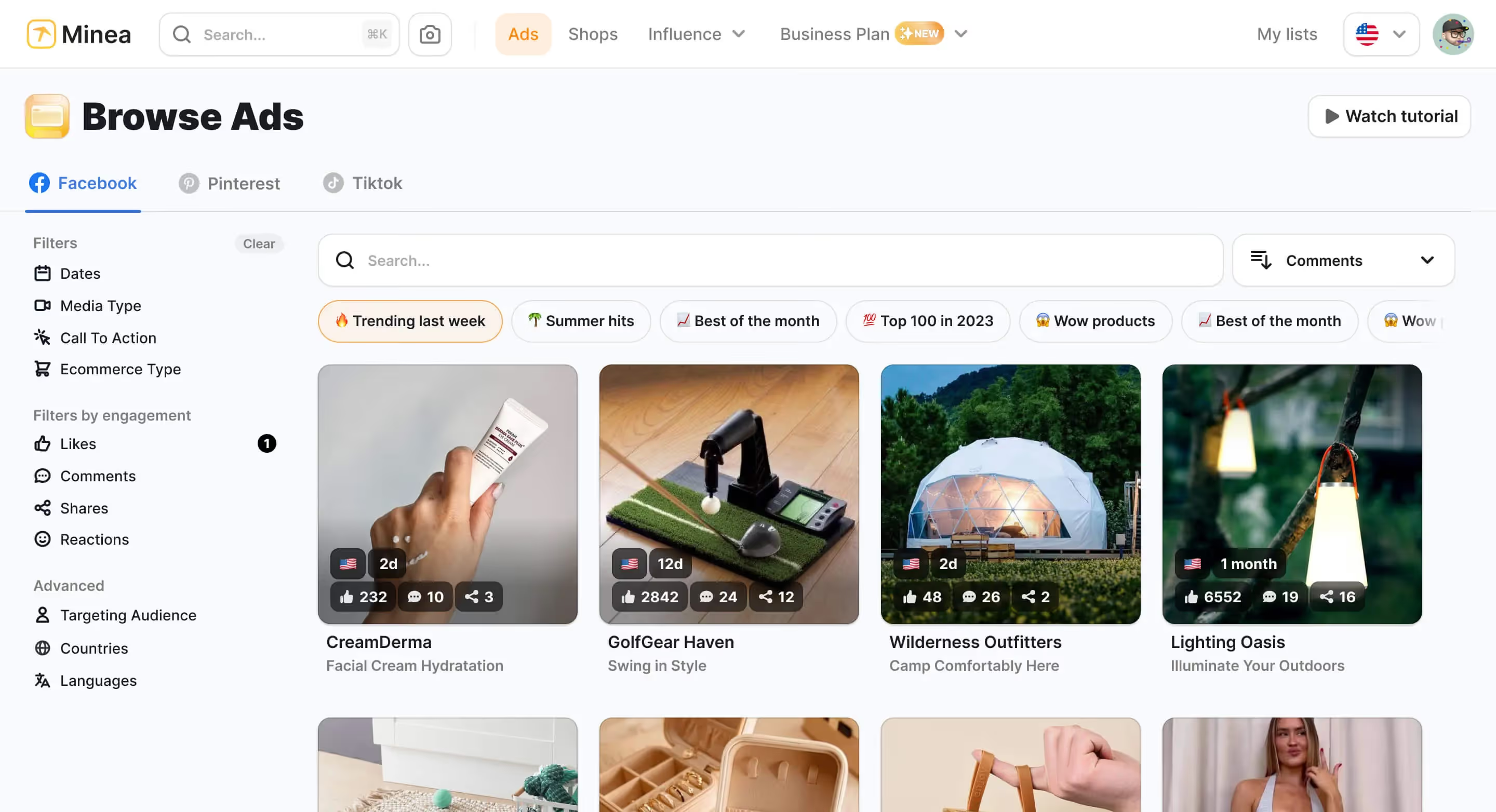
Minea is a social ad spy platform built for product research through live creatives. It tracks millions of ads across Facebook, TikTok, Pinterest, and other networks, then lets you slice that data by product type, engagement, and audience. Pricing typically starts around 49 USD per month for the Starter plan, with higher tiers at 99 and 399 USD, plus occasional promotions and credits instead of a classic long free trial.
Key features of Minea
- Cross‑platform ad database. Minea collects ads from multiple social networks and shows you performance signals such as engagement, duration, and audience, so you can spot products with serious momentum instead of chasing one‑day virals.
- Advanced ad filters for product discovery. You can filter ads by keyword, country, platform, ad spend indicators, and more, which lets you drill into niches and find offers that keep running, a strong sign that they are paying their way.
- Influencer and UGC tracking. Minea links many ads to influencer campaigns, so you can see which creators are pushing which products and how those creatives are structured.
- Reverse image product search. Upload a product photo and Minea attempts to match it to active ads and sellers, which is handy when you see something trending on social and want to track the full chain from creative to supplier.
- Competitor store insights. The platform also highlights which stores are tied to certain creatives, giving you a quick way to reverse‑engineer funnels and bundles around a winning product.
- Credit‑based usage system. Plans come with monthly credits for searches and analysis, making it easier to predict your costs as long as you watch your usage.
3. Tradelle
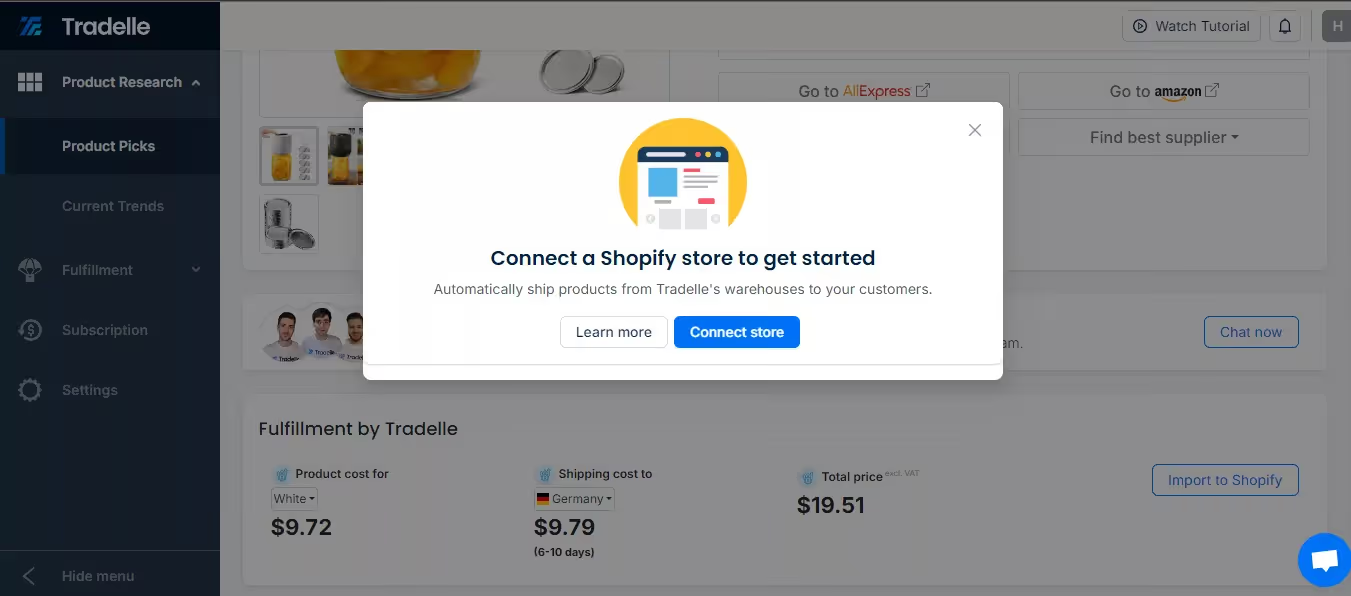
Tradelle positions itself as an all‑in‑one product research and fulfillment hub for dropshippers wanting store creation and sourcing in one place. It covers product discovery, competitor research, order automation, and supplier connections, with plans typically starting near 29.99 USD per month and discounted annual pricing for Lite, Starter, and Pro tiers. If you want one login for both research and backend operations, Tradelle is worth a look.
Key features of Tradelle
- Access to tens of millions of products. Tradelle’s documentation mentions more than 36 million products available for research and import, allowing you to filter by profit margin, demand, and competition before you test an item.
- Competitor and store explorer. You can see which stores sell a product, how much they are estimated to sell, and where their traffic comes from, which gives you a reality check on saturation levels.
- Saturation indicator for early trends. A built‑in saturation indicator flags how crowded a product appears across monitored stores, helping you focus on items that still have breathing room.
- Automated fulfillment options. Tradelle connects research to order routing, so once you lock in products, you can push them into your store and keep fulfillment synced instead of juggling spreadsheets.
- Tiered plans for different stages. Lite, Starter, and Pro plans add more automation and research power as you move up, but even the lower tier includes essential research features for new sellers.
4. Sell The Trend
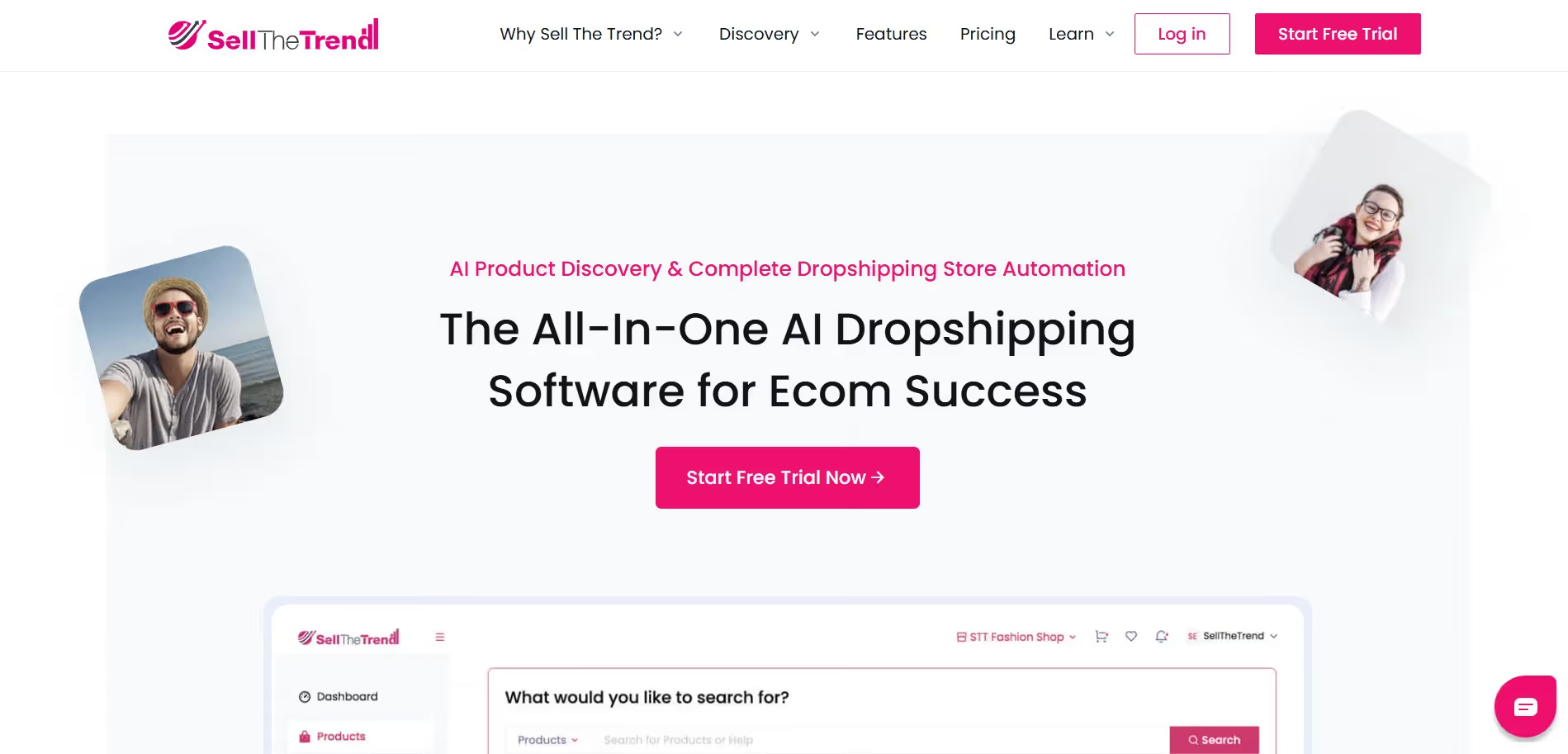
Sell The Trend is a long‑running product research suite known for its NEXUS engine, store integrations, and automation flows. In 2026, public pricing typically lists four plans—Lite, Essential, Pro, and Pro+—starting around 29.97 USD per month for Lite, up to about 299.97 USD per month for Pro+. Every plan usually comes with a fourteen‑day trial, which is helpful if you want to run live tests before paying.
Key features of Sell The Trend
- NEXUS product finder. NEXUS pulls data from multiple marketplaces and stores to rank products by demand and momentum, which can be a quick source of ideas if you like curated shortlists.
- Store integrations and one‑click imports. Direct integrations with platforms like Shopify mean you can push products from research to your store with a few clicks, a nice fit if you prefer to stay inside one ecosystem.
- Order and fulfillment helpers. Sell The Trend includes tools for routing orders and syncing with suppliers, which keeps your product research, catalog, and fulfillment closer together.
- Trend and analytics dashboards. Within the app you can track how products perform over time, spot when interest cools, and rotate in new candidates, which pairs well with any external data you collect.
- Educational content and comparisons. If you are actively comparing platforms, resources like this guide on Sell The Trend alternatives give you honest context on where it shines and where lighter tools might be a better fit.
5. Dropship Spy
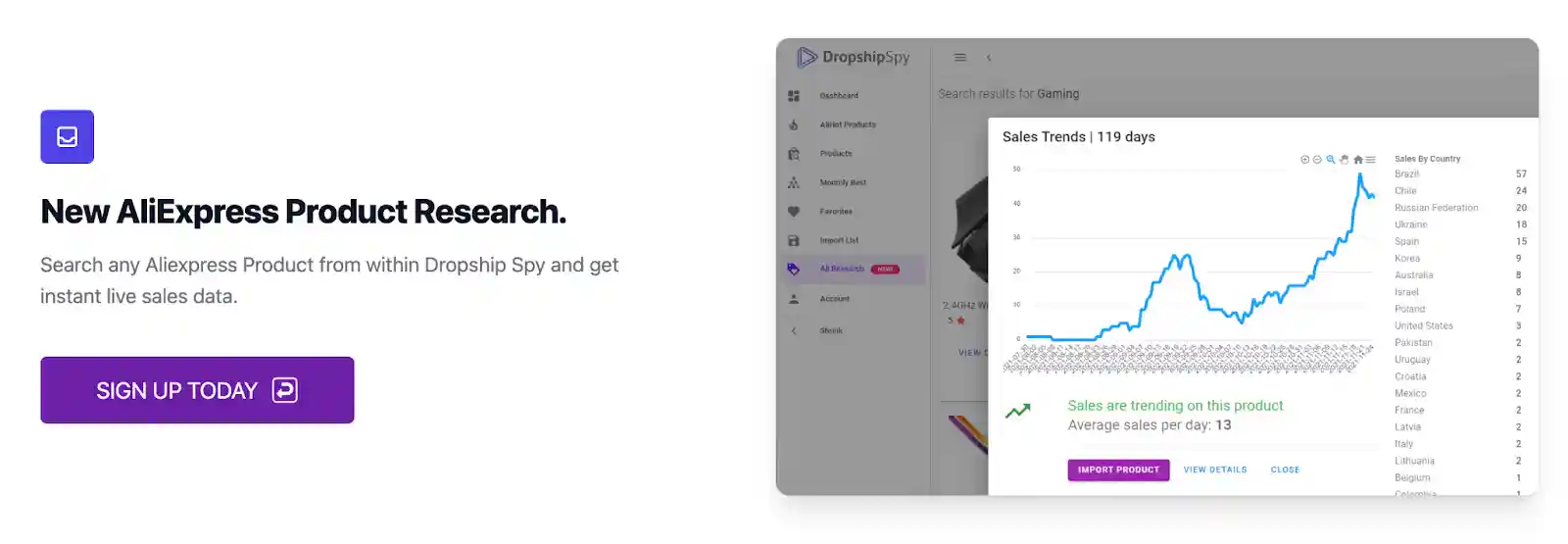
Dropship Spy built its name on curated product lists, engagement scores, and ready‑made assets like ad copy and audiences. Pricing historically sat around 30 USD per month, positioned as a budget‑friendly entry into paid research tools. As of the latest checks, the platform notes that it is no longer accepting new registrations or subscriptions, so existing users may still access past data while new sellers should treat it as legacy.
Key features of Dropship Spy
- Engagement‑scored product picks. Dropship Spy ranks products by engagement indicators and social proof, which made it appealing for sellers who wanted pre‑filtered lists instead of raw data tables.
- Audience suggestions for ads. For many products, the platform provided suggested interests and audience segments for Facebook campaigns, saving some brainstorming time for beginners.
- Downloadable product assets. CSV files, images, and copy snippets were available for quick import into stores and ad managers, which lowered the barrier to testing.
- Beginner‑friendly interface. The layout focused on clear product cards rather than dense analytics, matching new dropshippers who care more about “what to test next” than custom dashboards.
- Legacy value for research patterns. Even if you move to newer tools, studying how Dropship Spy scored winners can still sharpen your eye for engagement‑backed products.
6. Jungle Scout
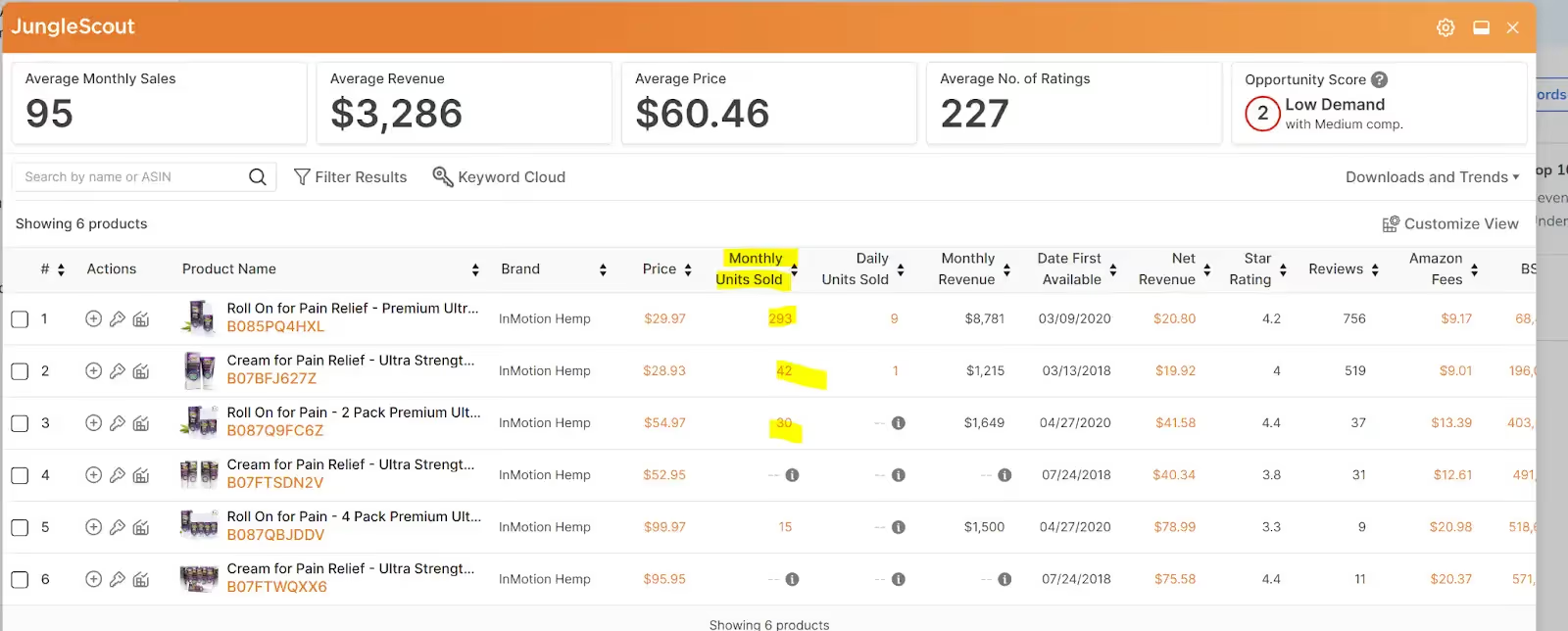
Jungle Scout is primarily known in the Amazon seller space, but its product and keyword data make it extremely useful for dropshippers who mirror Amazon demand into their own stores. Pricing in 2026 typically starts around 49 USD per month for the Starter or Basic tier, rising toward the low hundreds for advanced plans, with a seven‑day money‑back guarantee instead of a traditional free trial. That refund window still gives you room to test real research sessions.
Key features of Jungle Scout
- Product database with strong filters. Jungle Scout’s product database lets you search Amazon items by revenue estimates, reviews, price, and more, which is a powerful way to validate whether a product idea has real buyer interest.
- Opportunity and niche scoring. Tools like Opportunity Finder color‑code niches by demand and competition, giving you a quick sense of whether an idea is worth deeper research.
- Supplier Database. Jungle Scout’s Supplier Database shows manufacturers behind products, shipment histories, and other sourcing clues, which is rare among research tools.
- Chrome extension for on‑page checks. The extension overlays key stats directly onto Amazon search and product pages, so you can sanity‑check ideas without switching tabs.
- Tight link to real sales behavior. Because Jungle Scout leans on Amazon’s huge data pool, its numbers give you a grounded view of demand that you can port into your own ads and websites.
7. Similarweb
Similarweb is a traffic and digital intelligence platform that lets you spy on websites’ traffic sources, audience behavior, and rankings. While it is not dropshipping‑specific, it becomes very useful once you want to understand how big stores actually acquire visitors and buyers. Pricing for Web Intelligence Starter often begins around 199 USD per month or 1,500 USD per year, with higher Team and Business plans stretching into five‑figure annual deals, sometimes with short free trials.
Key features of Similarweb
- Traffic source breakdowns. You can see how much traffic a store gets from search, social, paid ads, and referrals, which helps you decide where to model your own acquisition efforts.
- Audience geography and engagement. Similarweb highlights visitor locations, time on site, and other interaction signals, letting you spot which markets respond best to certain niches.
- Keyword and SEO data. For many sites, you see top organic and paid keywords, which is gold when you are researching how competitors pull in warm buyers.
- Industry benchmarks. Team and Business plans come with category‑level insights and AI agents, giving a higher‑level view of how different markets behave across many sites.
- Sales and shopper intelligence add‑ons. Other modules cover sales intelligence and shopper intelligence, helping you align product ideas with where actual traffic and demand cluster online.
8. Google Trends
Google Trends is a free tool that shows relative search interest for keywords across regions and time. For dropshipping, you use it to check if a product is rising, falling, or seasonal before you commit to creatives and supplier talks. It costs nothing, works globally, and should be part of every product validation process, especially when you are comparing similar items.
Key features of Google Trends
- Time‑based interest graphs. You can see multi‑year trends or recent spikes for any product term, which helps you avoid items that already peaked last year.
- Regional demand patterns. Google Trends shows where interest is strongest geographically, so you can aim campaigns at countries or regions that actually care about your niche.
- Related queries and topics. The “related queries” section regularly uncovers sub‑niches and accessories that piggyback on a main trend, giving you creative upsell or bundle ideas.
- Term comparisons. You can compare multiple product ideas side by side to see which one has better interest curves, saving you from picking a weaker variation.
- Integration with broader research. Guides on Google Trends for dropshipping show how to join its data with store analytics and marketplaces to get a full picture before testing.
9. TikTok Creative Center
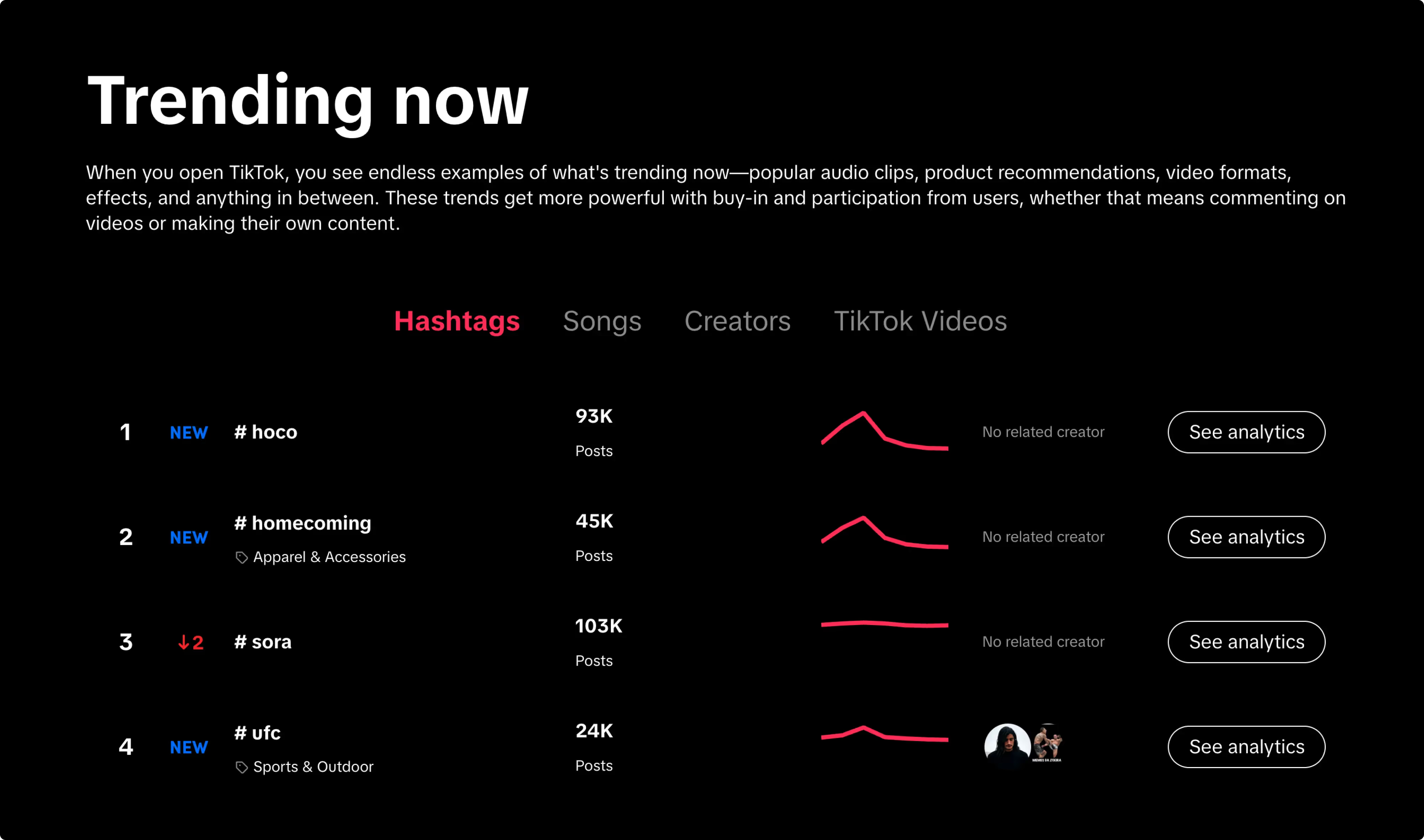
TikTok Creative Center is TikTok’s own hub for advertisers, but its public sections are a free gold mine for product and creative research. You can look at top ads, trending products, and keyword insights without paying for ad spend, then borrow themes and hooks for your own campaigns. Some deeper features sit behind a TikTok Ads Manager login, but core research tools remain open.
Key features of TikTok Creative Center
- Top Ads and Top Products dashboards. These sections show which ads and product categories are getting serious attention and conversions right now, broken down by region and time period.
- Keyword insights. You can see which phrases advertisers use in high‑performing creatives, giving you phrases and angles to test in your own scripts and copy.
- Trend Discovery. The Trend Discovery section surfaces rising hashtags and themes before they become saturated, useful for catching products tied to cultural moments early.
- Filter controls. Filters for country, industry, objective, and more let you zero in on product types relevant to your niche instead of wading through unrelated ads.
- Free access for research. Public trend and creative tabs are accessible without extra cost, so you can run daily checks even before you scale TikTok budgets.
10. Amazon Best Sellers
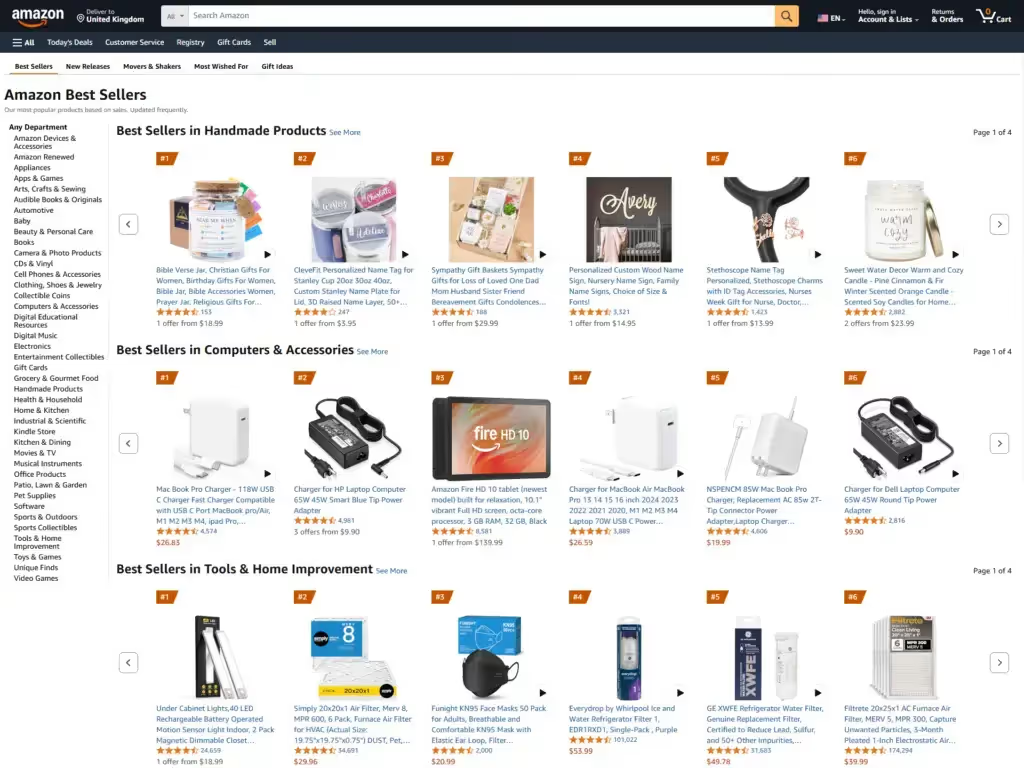
The Amazon Best Sellers pages are free rankings of the most purchased products on Amazon, updated frequently across countless categories. For dropshippers, this is not just a list; it is a live feed of what shoppers are actually buying with their cards, not just searching for. You can treat it as a demand confirmation layer for ideas sourced from other tools.
Key features of Amazon Best Sellers
- Category‑level bestseller lists. Every major department and many subcategories have their own bestseller lists, letting you focus on niches that overlap with your store’s focus.
- Frequent updates. Rankings refresh regularly, which means you can catch products that climb fast instead of noticing them after everyone else has already jumped in.
- Access to full listings. Each bestseller entry links to its product page, where you can study photos, reviews, price history, and variations to understand why it sells.
- Signals beyond raw rank. When you cross‑reference Best Sellers Rank, review counts, and listing age, you get a more nuanced picture of product stability versus short‑term hype.
- Works with case study frameworks. Detailed case studies on learning product selection from Amazon Best Sellers show how to turn these lists into an entire research workflow.[5]
11. Etsy Trends Reports
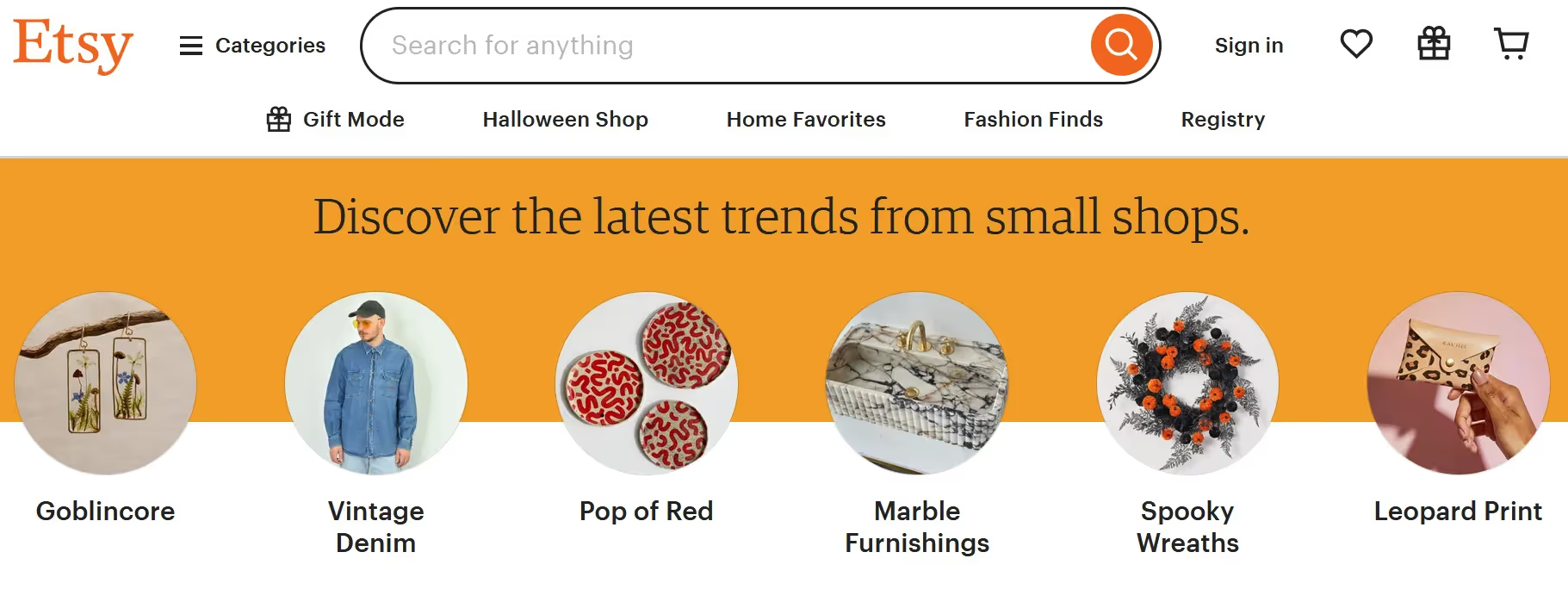
Etsy’s Seller Handbook regularly publishes trend reports that highlight search data, aesthetics, and buyer behavior for upcoming seasons. While they speak mainly to handmade and vintage sellers, the data is extremely useful if you dropship products that carry similar aesthetics, such as home decor, jewelry, or digital goods. The reports are free for Etsy sellers to read.
Key features of Etsy Trends Reports
- Seasonal theme breakdowns. Reports like the Spring/Summer 2026 Seller Trend Report outline themes, colors, and product types expected to gain traction, based on real search and marketplace data.
- Keyword insights. Many reports highlight trending keywords, which you can adapt for your own product titles, descriptions, and ad copy outside Etsy as well.
- Cross‑category inspiration. Because Etsy spans categories from homeware to fashion, you see trends that cut across items, helping you craft coherent product collections.
- Focus on buyer intent. The reports are grounded in what buyers actually search and purchase, not just editorial mood boards, which keeps you grounded in behavior, not guesses.
- Public availability. These reports live inside the Seller Handbook and related channels, so you can refer back any time as you plan seasonal product tests.
12. Google Keyword Planner
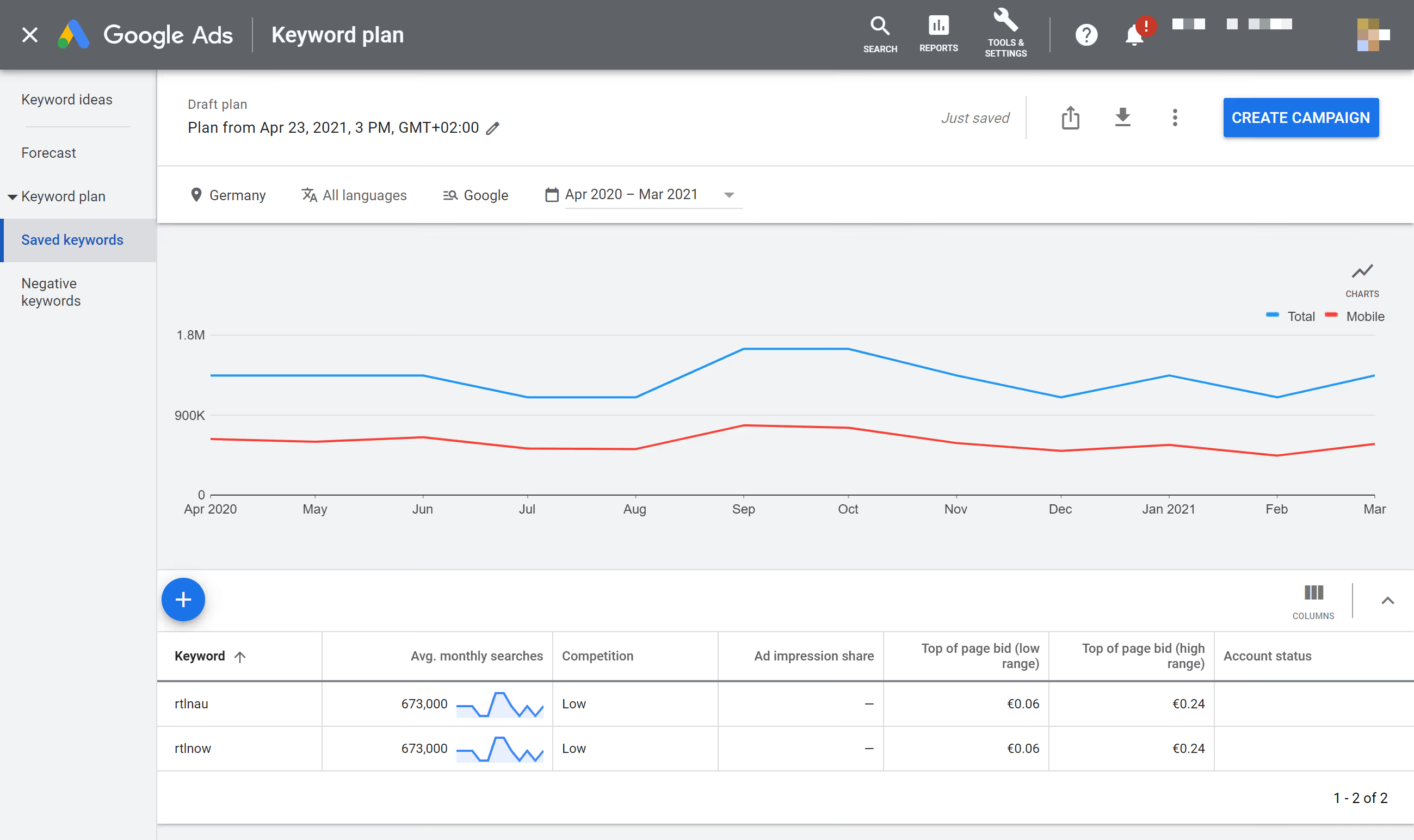
Google Keyword Planner is a free keyword tool inside Google Ads that shows search volumes, forecasts, and bid ranges for keywords. While it is built for advertisers, dropshippers can treat it as a demand barometer for product and niche ideas. Access requires a Google Ads account, but you do not need to run massive campaigns just to use the planner.
Key features of Google Keyword Planner
- Search volume and forecasts. You see estimated monthly search ranges and traffic projections for product keywords, which helps you judge if a niche has enough interest to justify testing.
- Keyword idea generation. The tool suggests related keywords based on seed terms or URLs, often uncovering long‑tail product phrases that align with buyer intent.
- Competition and bid estimates. While aimed at advertisers, bid and competition indicators still tell you how crowded certain terms are, which loosely maps to how many brands push those products.
- Free access with account. Google Keyword Planner remains free to use with an Ads account, giving you another data layer without extra subscription costs.
- Good pairing with other Google tools. When you combine Planner data with Google Trends and Shopping, you see both interest over time and how products actually appear in search results.
13. Google Shopping
Google Shopping is Google’s product search experience, mixing paid ads and free listings into one interface. For dropshipping product research, it doubles as a competitive radar: you can see how many stores sell a product, price ranges, ratings, and which offers Google surfaces most often. Thanks to Google Shopping’s free listings program, many merchants appear there without paying for ads.
Key features of Google Shopping
- Price and offer comparisons. A quick search shows you price ranges, shipping terms, and store names for any product, which is vital when you are deciding if your margins can survive.
- Free and paid listings mix. Articles from Google and partners explain how free listings work alongside paid Shopping ads, letting you see which competitors invest heavily and which rely on organic placements.
- Rich product cards. Product cards bundle images, ratings, and availability, reflecting how shoppers encounter options in real search journeys.
- Global reach. With presence across Search, the Shopping tab, and other Google surfaces, it provides a global snapshot of retail offers before you commit to a niche.
- Tie‑in with Merchant Center. Once you launch your own catalog, Merchant Center and free listings let you get visibility without paying for every click, which is especially useful in early test phases.
Conclusion
If you notice, the most resilient stores do not obsess over one “secret” app. They build a small stack of top dropshipping product research tools, run them daily, and keep their decisions tied to real traffic, sales, and ad behavior. You can start with a lean combo of store analytics, social ad spying, and free Google and marketplace data, then add paid tools once they clearly earn their keep. As long as you keep watching your numbers, testing deliberately, and adjusting faster than slower sellers around you, your research habit turns into a quiet unfair advantage.
Start using Dropshiptool today!