How to Launch a Winning Dropshipping Store in 2026?

Dropshipping is bigger, tougher, and far less forgiving than the “easy money” YouTube tutorials suggest. Only a small share of stores stay profitable for the long term. You are no longer just listing random gadgets and hoping an ad goes viral. You are learning how to launch a dropshipping store that runs like a lean online brand, with real margins, systems, and customer trust.
This guide walks through what that looks like in practice, from niche choices to tools and launch steps built for 2026.
What Makes a Good Dropshipping Store?
A good dropshipping store in 2026 feels like a small, trustworthy brand, not a random catalog. It is clear about who it serves, solves a narrow set of problems, and matches that focus with products that ship fast and deliver what the page promises.
It also runs on numbers. The owner tracks traffic, conversion, refunds, and true net profit, not just revenue screenshots. If you notice your store decisions flow from that data, you are already ahead of most first‑time sellers.
Key Elements of a Winning Dropshipping Store
A winning store combines sharp positioning, strong product quality, and simple, fast buying flows. Use this section as a checklist while you learn how to launch a dropshipping store and tune it for real profit, not just impressions.
Each element below matters if you want to know how to launch a dropshipping store online and keep it alive past the first few weeks of ad spend.
Clear niche and buyer
A narrow niche is what lets you stand out in 2026, when generic gadget stores struggle to get any attention. Data‑backed product lists show that viral items still break out on TikTok and other channels, but the sellers who keep profit usually tie those items into a clear theme or buyer persona.
You could frame this as learning how to find your dropshipping store niche. Instead of “anyone who shops online,” think “home gym owners in small apartments” or “busy nurses who want quick skincare fixes.” That focus drives the copy, images, upsells, and even what you avoid stocking.
Product and supplier quality
Short‑form platforms like TikTok Shop can turn a single clever video into a global spike, but refunds and bad reviews also spread fast. That makes solid suppliers and honest shipping times non‑negotiable. Look for vendors with track records in your main markets and realistic delivery windows supported by data, not wishful thinking.
Before you worry about how to run a dropshipping store at scale, lock in a small core of products you would feel comfortable recommending to a friend. Use tools that gather real sales and trend data rather than guessing off a few viral clips. A curated catalog with reliable fulfillment often beats a huge one filled with risky listings.
Store design that earns trust
Modern buyers judge trust in seconds. In 2025 and 2026, guides on AI and automation in ecommerce all repeat the same theme: fast, clean, mobile‑first stores convert, cluttered ones do not. Your layout, fonts, and images should match the niche and stay consistent from ad click to checkout.
You can keep design simple with no‑code dropshipping website builders that ship templates tuned for ecommerce. What matters most is clear product benefits, proof (reviews or UGC), simple navigation, and friction‑free checkout on mobile.
Profit tracking and cash flow
New profitability outlooks stress that many dropshippers “win” on clicks and revenue while quietly losing money once ad costs and refunds are included. Treat every campaign as a small P&L, not just a creative test.
If you notice your dashboard time goes to ROAS while ignoring net profit, flip that habit. Use analytics tools or even a simple spreadsheet to track product‑level profit after fees, shipping, refunds, and taxes. That mindset prepares you for how to make money with dropshipping store operations that can survive rising costs.
How to Start a Winning Dropshipping Store in 2026?
When you think about how to launch a dropshipping store in 2026, picture a short, focused launch plan followed by steady optimization rather than a single dramatic “go live” moment. The steps below apply whether you want to launch from home in your spare time or aim for a more aggressive schedule.
This is the closest thing to how to start a dropshipping store step by step without getting lost in endless research.
Step 1: Choose a niche that can last
Start by scanning 2025 and 2026 product trend lists for clusters, not one‑off fads. Examples include smart home accessories, pet care, home fitness, and beauty tools that solve specific on‑camera or on‑the‑go needs.
You can then cross‑check those ideas against guides like the best dropshipping business ideas to narrow them into a clear store concept. Mix trend data with your own interest and tolerance for learning an industry so you do not quit after the first rough month.
Step 2: Do real product research with data
If you ask how to do product research for your dropshipping store, the answer in 2026 is simple: use tools that watch live stores and sales, not just search volume charts. Databases of winning products pull data from thousands of stores and ads so you can see real price points, margins, and saturation.
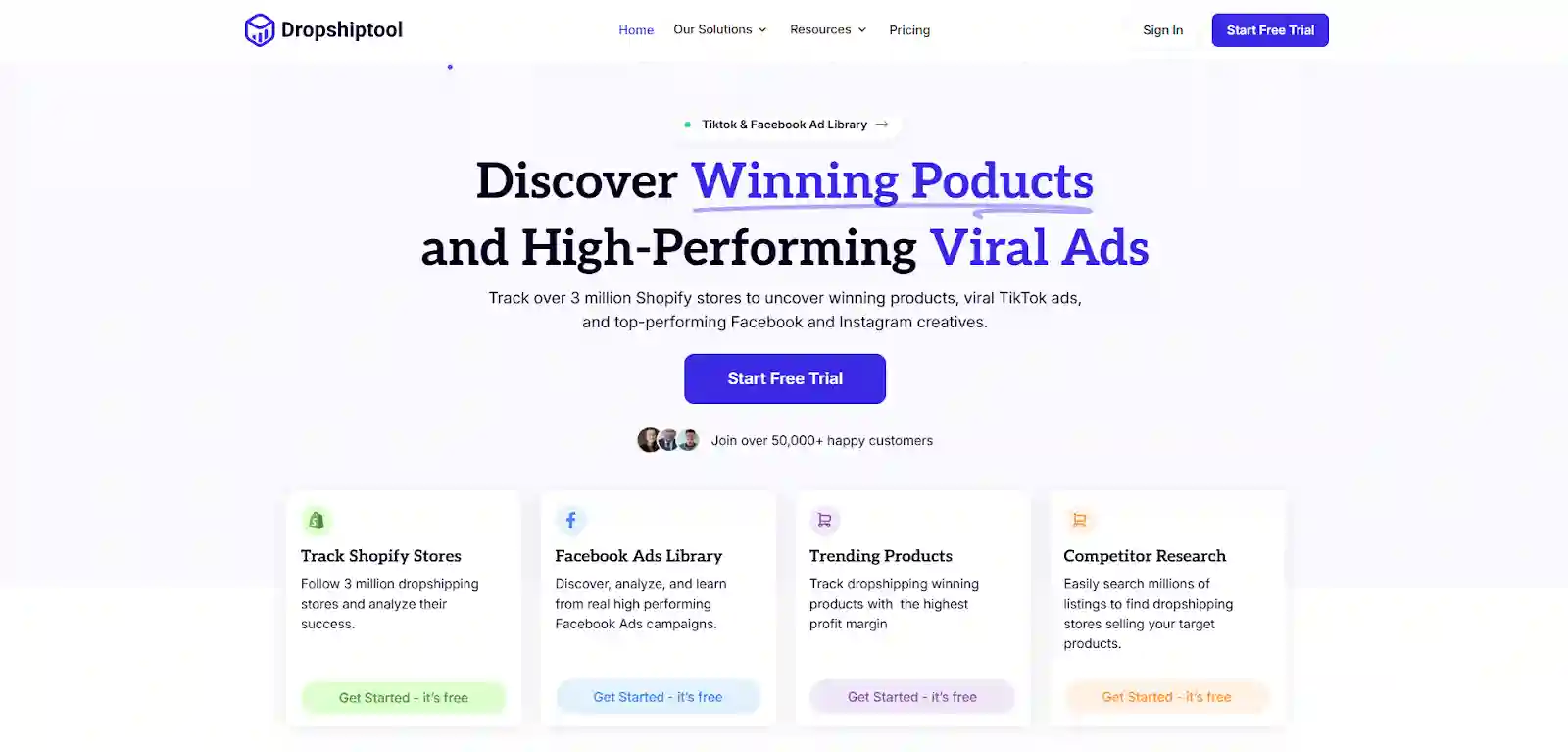
A dedicated product engine like the Product Database from Dropshiptool lets you filter by niche, price, and performance to spot winners that match your audience. Pair that with your own manual checks of reviews and supplier pages before adding anything to your catalog.
Step 3: Pick your platform and tech stack
Shopify, WooCommerce, Wix, and Squarespace are the leading store platforms, with Shopify holding a large share of ecommerce‑focused brands. Each now includes AI helpers for layout, copy, and merchandising, which lowers the barrier for first‑time founders.
If you like no‑code dropshipping website builders, you can start with something like Wix AI website builder or similar AI‑assisted tools that create a full layout from a short description. For Shopify users, an option like AI Shopify Store Builder handles much of the initial setup so you can focus on offers and creatives rather than CSS and HTML.
Step 4: Set up the store in less than 24 hours
Many modern builders are fast enough that you really can learn how to set up your dropshipping store in less than 24 hours if you plan ahead. Have your logo, brand colors, product list, and basic copy ready before you start clicking.
Step 5: Launch small, then refine
Instead of chasing “how to start a dropshipping store for free” or “how to launch a dropshipping store without money,” plan for at least a modest test budget. Reports from analytics tools put a lean monthly budget around a few hundred dollars once platform fees, domain, basic apps, and early ad tests are included.
You can still learn how to launch a dropshipping store with no money in the strict sense by focusing on organic traffic from TikTok, Instagram Reels, or SEO, but growth will usually be slower than with paid tests. Treat those channels as compounding assets while you test ads in small batches.
If you need a simple “from zero” walkthrough, the Dropshiptool guide on how to start your first dropshipping store is a solid companion to this playbook.
Best Dropshipping Website Builders for Launching Your First Store
You can launch a functional store in a weekend using builders that skip custom code.
Below are options that fit a first‑time founder who cares more about how to launch a dropshipping store than about tinkering with code.
Shopify plus AI helpers
Shopify keeps a strong share of ecommerce brands and now ships AI features across its admin, including product description writing, layout ideas, and chatbot responses. Those tools speed up listing and merchandising so you can spend time on product offers and creatives instead.
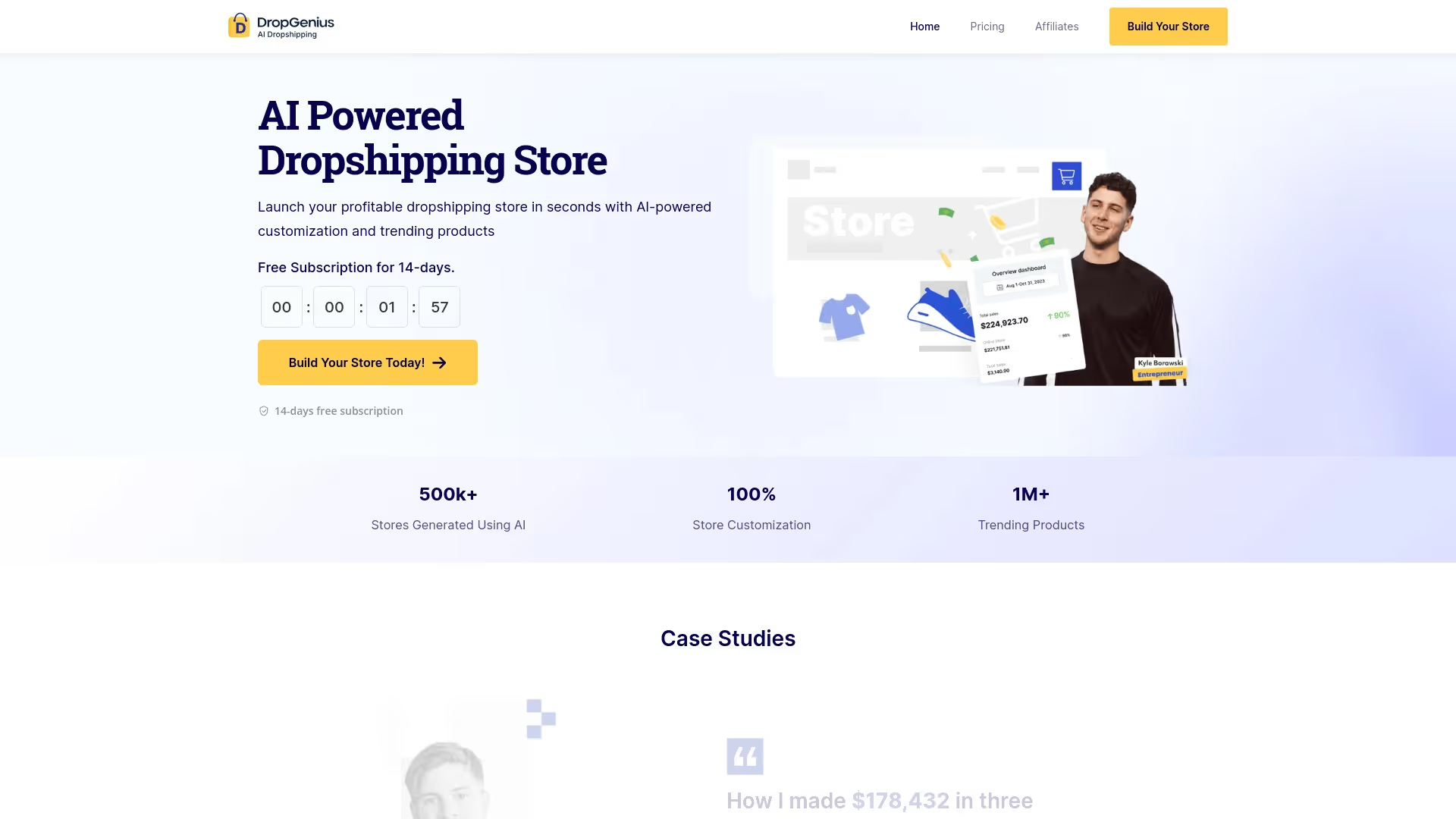
Dropgenius can combine store creation with product and ad ideas, which is handy when you want to know how to launch a dropshipping store from home on a tight timeline. The outcome will not be perfect on day one, but it will be live, which matters more than endless tweaking.
If you wonder how to start a dropshipping store on Amazon or how to open a dropshipping store there, consider running Shopify as your main hub, then adding Amazon as a channel only after you understand each platform’s rules. That caution matters even more if you have searched for “how to open a drosphipping store on Amazon” and seen advice that ignores policy risks.
Wix and Squarespace for visual stores
Wix and Squarespace AI builders create full sites from simple prompts and support payment, product catalogs, and basic marketing tools without plugins. Wix’s offerings are friendly for small to mid‑sized catalogs where design matters.
If you want a simple path to how to launch a dropshipping store online without touching code, these platforms handle hosting, templates, and mobile layouts in a few guided steps. You can later connect dropshipping apps once you validate that your niche and products are worth more investment.
No‑code and AI‑first builders
A wave of AI‑first builders and no‑code dropshipping website builders now offer one‑click page generation, copy, and even automatic image creation. They suit lean teams and solo founders who want to test multiple store or landing page angles without hiring a developer.
You can keep an eye on newer options and compare them with more established platforms, but the goal is the same: shorten the time from idea to live, so you have real traffic data sooner rather than later. The tool choice matters, but not as much as product‑market fit, creative testing, and honest tracking.
Best Dropshipping Store Niches in 2026
If you’re looking for a quick rundown for the best dropshipping store niches in 2026, then the good news is we’ve got you covered. Here’s what’s working right now:
1. Smart home and energy‑saving gadgets
Data from product trackers, TikTok trends, and Amazon charts shows steady demand for simple devices that lower bills, add automation, or improve safety. Look for compact items with clear, demonstrable benefits in short video content.
2. Pet care supplies
Pet niches have grown for years, with owners spending on toys, grooming, anxiety aids, and health‑adjacent products. Focus on items that solve daily annoyances or give pets more stimulation rather than generic collars and bowls.
3. Home fitness and recovery
Portable gear, compact machines, and recovery tools continue to trend as people mix home workouts with gym visits. The best products here show visible change in posture, mobility, or comfort in a 10 to 30 second clip.
4. Beauty, skincare, and at‑home devices
Beauty and skincare products remain strong in short‑form content, especially when tied to clear routines or visible transformations that do not feel exaggerated. Be extra careful with claims and compliance in this space, since regulators watch it closely.
5. DIY and micro‑hobby gear
Crafting, home improvement, and small maker tools sell well when they tap into specific projects like 3D printing accessories, resin art, or compact woodworking. You can pair product content with simple tutorials to keep engagement high.
Check out our guide on the best dropshipping business ideas which serves a useful companion while you shortlist new store concepts.
How to Do Product Research for Your Dropshipping Store Before Launching
Proper product research is what separates a short‑lived store from one that can scale. In 2026, serious sellers use data sources that track live sales, ads, and reviews rather than guessing from a few viral clips.
If you want to know how to launch a dropshipping store for beginners, treat product research as its own small project before you write a single ad.
Use product databases and sales trackers
Instead of browsing marketplaces at random, work with a structured product database. Tools that pull data from thousands of stores can reveal margins, order volume, and saturation levels in near real time. Look for patterns, like similar products with different angles or bundles that lift cart value.
A suite like Dropshiptool brings several of these pieces together in one place, including a dedicated Product Database and an AI Sales Tracker that follows product performance over time. If you notice, this kind of stack makes it easier to answer how to launch a dropshipping store with data on your side instead of guesswork.
For a deeper walkthrough of going from product idea to validation, the Dropshiptool tutorial on moving from product idea to sale is worth reading alongside this guide.
Study ads and social proof
Ad libraries and creative spy tools show which products are getting spend and engagement right now. In 2025, many serious sellers rely on ad spy platforms to watch angles, hooks, and formats that drive clicks for similar offers. Paying attention to those details matters as much as the product itself.
You can pair a tool like the Ad Spy Tool with short‑form content feeds to spot offers that repeat across accounts. When you see many creators pushing similar items, it is a signal to dig deeper into reviews, margins, and buyer sentiment before you copy the idea.
Analyze competitors properly
Competitor research in 2026 is about more than finding a few similar stores. You should map out their pricing, bundles, upsells, return policy, and on‑site messaging. This reveals where you can stand apart without starting from scratch.
A dedicated Competitor Research dashboard makes that work faster by pulling data from live stores in your niche. Once you see what others are doing, you will know whether to undercut on price, add value through bundles, or focus on shipping and service.
How to Run and Grow Your Dropshipping Store in 2026
Launching is only the first step. Knowing how to run a dropshipping store over months and years is where the real money is, especially when margins are tighter. Treat every product as a small test: send traffic, watch the numbers, and cut losers quickly.
You can think of 2026 operations as a loop: track net profit, test new products and angles, review customer feedback, then adjust offers and content. This is where Dropshiptool gives you an advantage, since it surfaces sales patterns that would take hours to spot by hand.
If you want to know how to make money with dropshipping store experiments, keep your fixed costs low at the start, run clear tests, and avoid scaling any product until you have repeat sales and clean support metrics.
Buying and Selling Dropshipping Stores
Some founders skip the early grind by asking how to buy a dropshipping store instead of building from zero. Marketplaces list stores with revenue history, but 2026 profitability reports warn buyers to look past revenue and inspect net profit, ad accounts, and supplier relationships. Always ask for ad manager access and proof of costs before you commit.
Later, once your own store is stable, you can research how to sell a dropshipping store as a small asset on these same marketplaces. Valuations usually depend on trailing twelve‑month profit, not top‑line sales, which is another reason to track your P&L from day one. A clean record of orders, refunds, and supplier stability makes any exit smoother.
Conclusion
You now have a clear picture of how to launch a dropshipping store in 2026 and what it takes to keep it alive beyond the first few ads. Treat your store like a small, serious brand: pick a focused niche, research products with data, use simple no‑code builders, and track profit instead of vibes. As you grow, you can layer in better tools, new channels, and maybe even a future sale of the store. The path is not effortless, but it is available to anyone willing to test, learn, and adjust.